
In the fast-paced world of manufacturing, where efficiency and productivity are paramount, the role of IT management has become increasingly critical. The integration of advanced information technology into manufacturing processes is not merely a trend; it is a necessity that can lead to substantial improvements in operational efficiency. This article delves into how effective IT management can enhance productivity in the manufacturing sector, exploring various strategies, tools, and best practices.
The Intersection of IT Management and Manufacturing
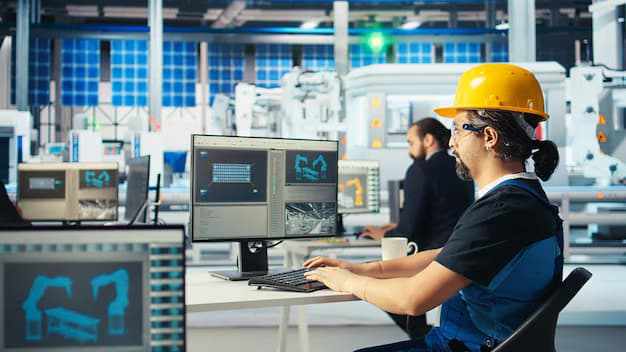
To understand the impact of IT management on productivity in manufacturing, it is essential to recognize the complex landscape of modern manufacturing environments. With the advent of Industry 4.0, manufacturers are now expected to embrace technologies such as the Internet of Things (IoT), artificial intelligence (AI), and big data analytics. These technologies enable companies to collect, analyze, and leverage data in real-time, leading to informed decision-making and streamlined operations.
One of the core functions of IT management in this context is to ensure that all technological systems work in harmony. This involves not only maintaining existing infrastructure but also continuously evaluating and upgrading systems to meet evolving needs. A well-managed IT framework can facilitate better communication across departments, enhance collaboration among teams, and eliminate silos that often hinder productivity.
Streamlining Operations through Automation
Automation has emerged as a game-changer in the manufacturing industry, and effective IT management is at the heart of this transformation. By automating repetitive tasks, manufacturers can free up valuable human resources to focus on more strategic activities. For example, IT management can implement automated inventory management systems that track stock levels in real-time, reducing the risk of overproduction or stockouts.
Moreover, automation extends beyond inventory management. Production lines can be optimized through the deployment of robotic process automation (RPA) and machine learning algorithms that predict equipment failures and schedule maintenance proactively. These strategies not only minimize downtime but also increase the overall efficiency of manufacturing operations. As a result, companies can meet customer demands more swiftly, thereby enhancing customer satisfaction and loyalty.
Enhancing Data-Driven Decision Making
In an era where data is often referred to as the new oil, the importance of data analysis in manufacturing cannot be overstated. IT management plays a pivotal role in ensuring that data collection and analysis processes are robust and efficient. By implementing advanced analytics tools, manufacturers can gain insights into production performance, resource allocation, and even employee productivity.
For instance, predictive analytics can help manufacturers foresee potential bottlenecks in production, allowing them to take preventive measures before issues escalate. Additionally, data-driven decision-making enables organizations to assess the effectiveness of various strategies and make informed choices about resource investment. This approach minimizes waste and maximizes operational output, ultimately leading to enhanced productivity.
Facilitating Collaboration and Communication
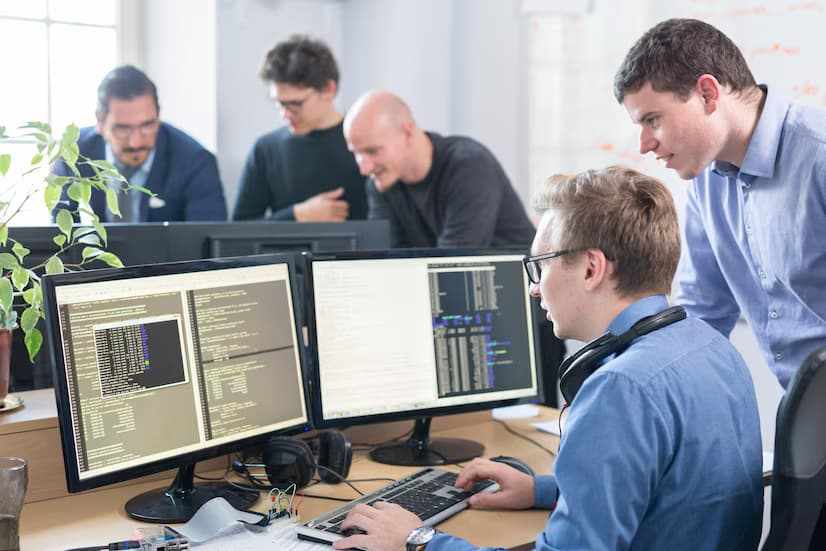
Effective communication is the backbone of any successful manufacturing operation. IT management facilitates seamless communication between different teams and departments, breaking down barriers that may exist due to geographical or functional silos. By utilizing collaborative tools such as cloud-based platforms, manufacturers can ensure that information flows freely across the organization.
For instance, when engineers, production managers, and supply chain teams can access real-time data and communicate effortlessly, they can respond to challenges more swiftly and effectively. This enhanced collaboration leads to quicker problem-solving and fosters a culture of innovation, where employees feel empowered to contribute ideas for improvement.
Implementing Robust Cybersecurity Measures
As manufacturing IT management increasingly relies on interconnected systems, cybersecurity has become a pressing concern. Cyber threats can disrupt operations, compromise sensitive data, and damage a company's reputation. IT management must prioritize cybersecurity by implementing robust measures to protect against potential attacks.
This includes regular system updates, employee training on security best practices, and the deployment of advanced security protocols such as firewalls and intrusion detection systems. By safeguarding their IT infrastructure, manufacturers can maintain operational continuity and protect their intellectual property, further contributing to overall productivity.
Investing in Employee Training and Development
One of the most significant advantages of effective IT management is its ability to enhance employee skills and knowledge. In a rapidly evolving technological landscape, manufacturers must invest in continuous training and development programs to ensure that their workforce is equipped with the skills needed to leverage new technologies effectively.
IT management can facilitate this by providing access to training resources, workshops, and certifications that focus on the latest manufacturing technologies and methodologies. By fostering a culture of learning, companies can not only improve employee satisfaction and retention but also enhance overall productivity as workers become more adept at using the tools and systems at their disposal.
The Role of IT Management in Supply Chain Optimization
An efficient supply chain is crucial for maintaining productivity in manufacturing. IT management plays a vital role in optimizing supply chain operations by implementing systems that provide real-time visibility into inventory levels, supplier performance, and logistics. By utilizing technologies such as RFID and blockchain, manufacturers can enhance traceability and transparency throughout the supply chain.
With improved visibility, companies can make informed decisions about inventory management, demand forecasting, and supplier selection. This leads to reduced lead times, lower operational costs, and ultimately, improved productivity. IT management, therefore, is not just about managing technology; it is about enabling the entire manufacturing ecosystem to operate more effectively.
Conclusion
In conclusion, the synergistic relationship between IT management and productivity in manufacturing is undeniable. By embracing advanced technologies, automating processes, enhancing data-driven decision-making, and fostering collaboration, manufacturers can significantly improve their operational efficiency. Moreover, investing in employee training and robust cybersecurity measures further solidifies this foundation for success.
As organizations strive to remain competitive in an ever-evolving market, the importance of effective IT management will only continue to grow. For those looking to harness the full potential of IT in manufacturing, partnering with a knowledgeable and experienced provider can make all the difference. Companies like Andromeda Technology Solutions stand ready to assist manufacturers in navigating this complex landscape, offering tailored solutions that drive productivity and innovation.
Ready to elevate your manufacturing productivity? Contact Andromeda Technology Solutions today and discover how we can help you thrive in the digital age!







Write a comment ...